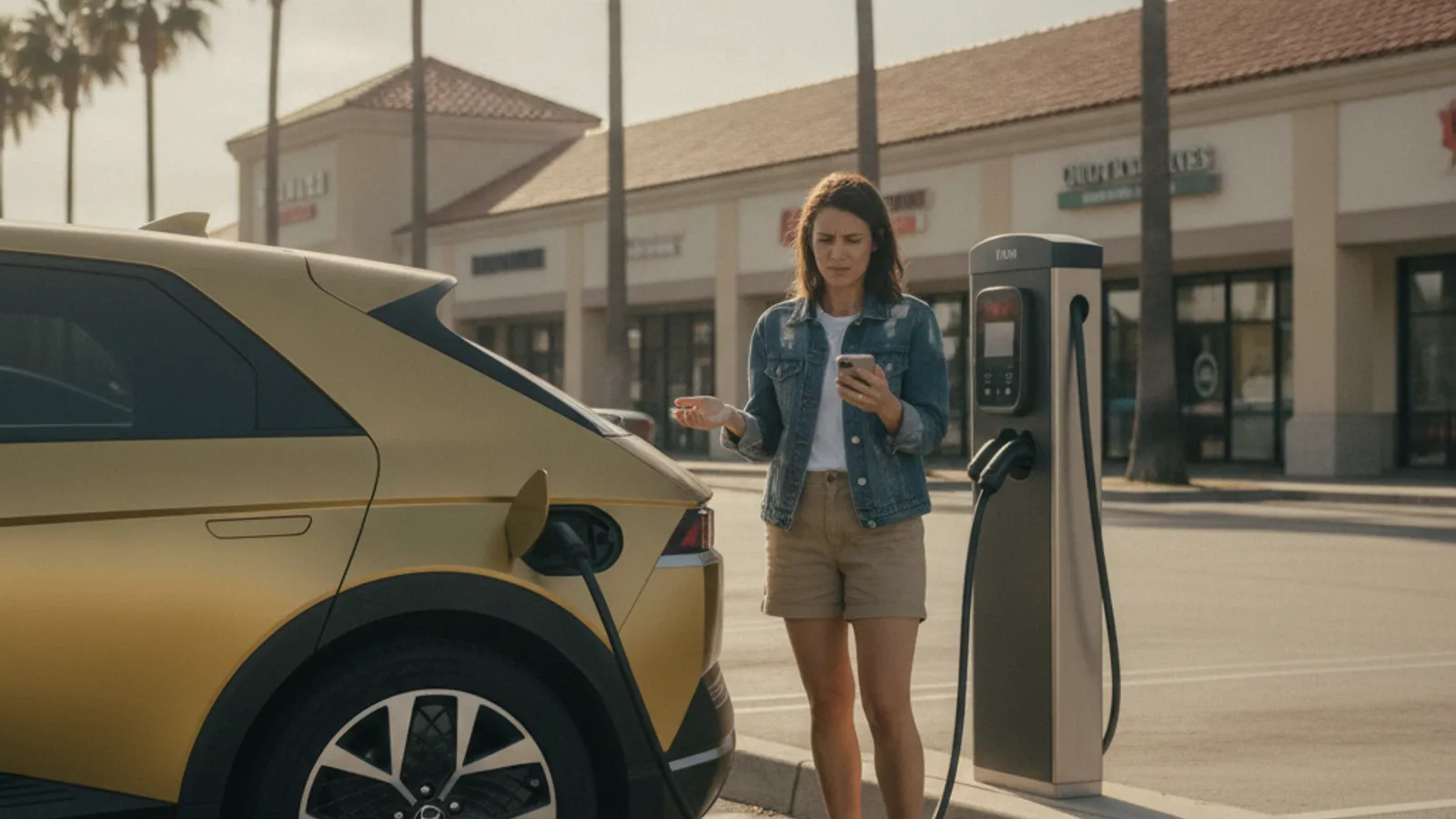
When a public charger in Tempe won’t start, don’t plan on a home plug. EV roadside assistance in Tempe means a match with an independent operator. That pro brings 240-volt Level 2, often overnight in an apartment lot. Many ASU-area renters don’t have a wall connector at their stall. A dead ChargePoint, EVgo, or Electrify America session isn’t a short detour. It can leave you parked until morning unless someone comes to you.
Tempe’s renter map, and why home isn’t the backup
Tempe is a compact East Valley city of about 40 square miles. Census counts put the population at 188,065. Arizona State University’s main campus sits in the center of town. Downtown Tempe, the Mill Avenue District, and Apache Boulevard skew toward renters and students. About 41 percent of Tempe housing went up before 1980. Older complexes often never added a dedicated EV circuit at each space.
This isn’t a claim that public charging vanished from town. It’s a fact about home stalls. If the kiosk fails, many drivers can’t roll into a garage. South Tempe, North Tempe, The Lakes, and Kiwanis mix houses with apartment rows. The usual call is simple. The car sits in the lot. The stall threw an error. Class or a shift starts in the morning.
A dead EV in a Tempe apartment lot is its own overnight pattern. Read that if you’re already parked at the complex. APS and SRP both serve Tempe, sometimes on the same block. Confirm your address before you assume a rate plan. APS markets R-EV overnight charging from 11 p.m. to 5 a.m. on weekdays. SRP’s Electric Vehicle Price Plan closed to new enrollment after a February 2025 board vote. Customers already on it may stay until the November 2029 billing cycle. Those plans help only at a charger you control. They won’t restart a public kiosk that’s already failed.
Heat, range, and a kiosk that dies in July
Tempe runs the Valley heat load with heavy AC on ASU-area traffic. Phoenix averages about 111 days a year at or above 100F. Recurrent logged 345,622 trips from 300 Phoenix-area EVs. Those cars can lose 20 to 30 percent of range above about 95F. Loss near 31 percent shows up around 100F. AAA’s 2026 study compared 95F to 75F. Range fell about 8.5 percent in that test. A failed fast stall hurts more in August than in January. You had less buffer than the dash suggested.
The 12-volt battery is the quieter failure. Hot-climate starter batteries last about 47 months. That’s Battery Council International work via Battery University. Cool climates see about 59 months. In an EV that small battery runs door handles, screens, and the contactor. A full traction pack still leaves you stranded if the 12-volt is dead. Tesla Sentry Mode and Cabin Overheat Protection keep drawing power while the car sits. An apartment lot after several 110F days is a common place for that.
Monsoon season runs June 15 to September 30. Storms flood the I-10 Broadway Curve and Loop 202 lake crossings. ARS 28-910 covers driving around a flood barricade. You can be billed for the emergency response. Don’t try it on a low pack. Sit through the storm, then deal with charge.
Checks that take minutes, not a second trip
Run these before you decide the site is lost.
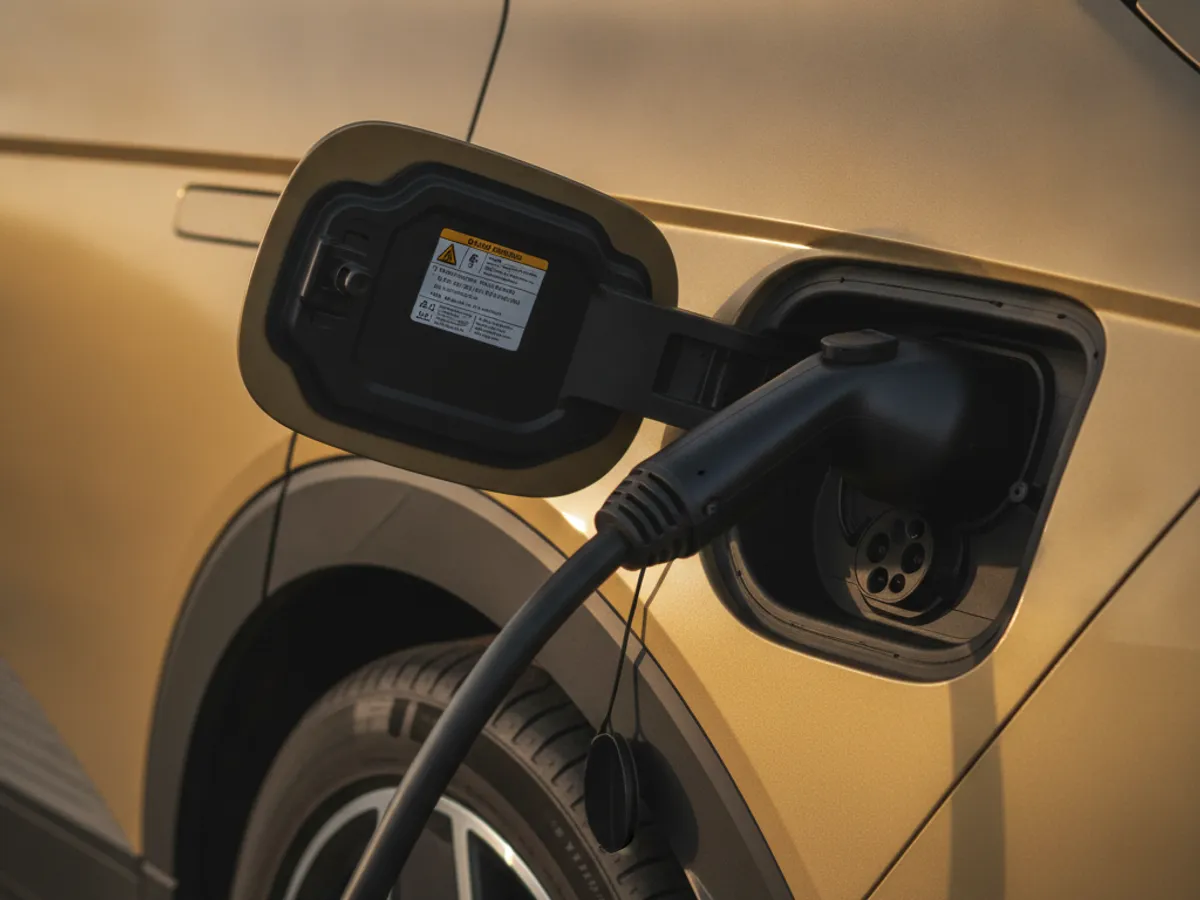
Unplug fully, check the pins, and seat the connector again. A loose latch is the usual reason a session never starts. Move one stall over if a shared cabinet feeds two cables. One dark screen doesn’t always mean every stall is dead.
Force-close the network app and start from your phone. ChargePoint, EVgo, and Electrify America handshake through that app, not just the kiosk. Tapping the screen again rarely fixes a dropped link. Check the network map for a known outage. A red unavailable flag is already the answer. Try a second card or the RFID fob in your wallet. A declined payment looks exactly like broken hardware.
If the kiosk says connected but never adds percent, that’s a different fault. Our note on a public charger that won’t actually charge walks those heat checks. Give the stall a few minutes. Then stop. Sitting at Tempe Marketplace or Arizona Mills while the number falls doesn’t add miles. The same is true after a late night on Mill Avenue. Check charging apps from a parked spot. Don’t roll toward another site on a thin buffer.
Why public networks drop a session more than Superchargers
Tesla builds, owns, and services Superchargers as one chain. ChargePoint, EVgo, and Electrify America often split the job. A property owner may buy the hardware. The network runs billing and software. When a cable fails, two companies can stall on the repair. Public connectors also take more abuse. Dozens of drivers a day drop the same handle onto hot pavement.
Desert heat cooks the cabinet electronics. A DC fast stall must reach a billing server before it starts. If that link dies, a perfect cable still sits idle. That’s a software problem wearing a hardware mask. One app restart is worth it. An hour in a Tempe lot isn’t.
Tesla roadside, as Tesla publishes it, tows to a Supercharger or service center. It doesn’t fill the pack in your apartment stall. Independent operators do that work. They quote before they start and bill you directly. Charge Pro PHX is a referral line. It doesn’t own trucks, set prices, or employ technicians.
When hunting another stall becomes the hazard
A second site is reasonable if you still have range and a confirmed working stall. PlugShare check-ins beat the car’s map when stalls go dark. Under about 10 percent, driving to the next rumor is a gamble. AC and the Broadway Curve spend energy your estimate assumed you’d keep. US-60 Superstition traffic does the same.
Tempe sits on the I-10 Maricopa Freeway and SR-143. Loop 202 Red Mountain runs along Tempe Town Lake. US-60 is the Superstition Freeway through this side of the Valley. The Broadway Curve is among the busiest freeway stretches in the state. Reconstruction finished in spring 2025. You’re not in an active work zone. You’re on packed lanes. ARS 28-871 says get a disabled vehicle off the traveled way when you can. Leave room for others. Stay visible. When you’re stopped, stay visible for 200 feet in each direction.
Arizona DPS Roadside Motorist Assistance will change a tire or bring gasoline. Published materials don’t mention charging an EV. ADOT’s Incident Response Unit covers Phoenix-area freeways on weekdays. Hours are 5 a.m. to 8 p.m. It’s a 14-member unit, sponsored by State Farm since 2020. It has logged 10,400-plus responses since October 2019. It clears crashes and helps stranded motorists. It also doesn’t advertise an on-site EV charge. ARS 28-775, the Move Over law, still applies. Shift a lane or slow down for a car with warning lights.
Arizona has no toll roads. Scam texts about unpaid Arizona tolls are scams. Solo HOV access for alternative-fuel plates ended September 30, 2025. None of that restores a dead cable. Stop hopping sites when you’re already low. The same goes after two dead stalls. Class, a shift, or a Tempe Diablo Stadium game isn’t the time to wander. Park somewhere legal. Stay with the car. Nearby Mesa, Chandler, and Gilbert don’t change the rule. A thin buffer on Loop 202 is still a thin buffer.
What Level 2 in the apartment lot actually adds
Operators bring a 240-volt Level 2 source to the car. Teslas use a native NACS plug. Other brands use a CCS or J1772 adapter. A typical session adds 10 to 20 miles of range. That takes 15 to 30 minutes of charging time. That’s charging time, never an arrival time. Overnight at the complex, a longer Level 2 sit can cover the campus run. It can also cover the I-10 hop into Phoenix.
What roadside Level 2 charging can add is the deeper explainer. Mobile EV charging is the service page if you need a charge brought to the bumper. The operator handles Tesla and every major EV brand. You don’t have to find a working public stall first.
They can also jump or replace a dead 12-volt on site. That’s the other lot pattern. Screens dark, doors stubborn, pack not actually empty. If you’re unsure which battery failed, say so when you call. The operator sorts charge versus jump before work starts.
If the car still won’t wake
A 12-volt failure can look like an empty pack. The high-voltage battery never got a chance to connect. Don’t keep cycling the car in 110F heat. That just cooks the small battery further. A jump on site is the usual first move. If the car dies again after a jump, the 12-volt likely needs replacement.
EVs skip Arizona emissions testing in Maricopa County Area A. Hybrids don’t get that skip. Arizona also has no annual safety inspection. None of that helps you move tonight. EV roadside assistance is the broader rescue page. Use it when charge, a jump, or a tow talk is unclear. The operator quotes before starting. Factory tows still don’t put miles in the pack in the lot.
Tempe also borders Salt River Pima-Maricopa land toward Scottsdale and Mesa. Tribal roads have their own police. Stay on the public lot or city street you already occupy. Don’t cross onto tribal roads unless you’re directed there.
How to get a local operator matched
Charge Pro PHX connects stranded EV drivers with independent local pros. That includes Tempe and the rest of the Phoenix area. For city-level context, use the Tempe EV charging and rescue page. Call (602) 932-0920 when the kiosk has failed. Ask for a quote on site. The operator bills you directly. Nobody here publishes an arrival clock.
Frequently asked questions
Why won’t a public charger in Tempe start a session?
Most no-starts are a loose connector or an app handshake fail. A declined card or a dead stall can look the same. Reseat the cable, restart the app, and try the stall next to you. Then stop. An apartment driver without a home plug shouldn’t chase a second kiosk on fumes.
Can an operator charge overnight in a Tempe apartment lot?
Yes. Independent operators bring Level 2 to the car. They use NACS, CCS, or J1772 as needed. Overnight at the complex is a common Tempe call. Many residents have no wall connector at their stall. The pro quotes you first and bills you directly.
Will Arizona freeway crews charge my EV if the public stall failed?
No published DPS or ADOT program advertises charging an EV. They’ll help with tires, gasoline, or a crash scene. They won’t replace a failed ChargePoint session. A mobile operator brings the charge to the car instead.